UZMA CONTRACTING GROUP


LIC# NYC: 2129984-DCWP, WESTCHESTER: WC-36982-H23, YONKERS: 8151, 8151A

Phone No.

(347) 280-4937

Email Address

info@uzmacontractinggroup.com

Why Are Roofing Nails Galvanized & Do They Improve Roof Quality?

A roofing system is more than just shingles layered on top of a house — it is a carefully engineered structure designed to protect your property from continuous environmental stress. Every day, your roof faces rainstorms, snow buildup, ice formation, intense summer heat, humidity, high winds, and rapid temperature fluctuations. Over time, these conditions cause materials to expand and contract, absorb moisture, and endure physical pressure. While shingles and underlayment are designed to handle surface exposure, the real structural integrity of a roof depends heavily on the fasteners securing everything in place. If roofing nails weaken, rust, or lose their grip, the entire system can begin to fail — leading to loose shingles, leaks, wind damage, and premature roof deterioration. This is precisely why galvanized roofing nails are the industry standard in both residential and commercial construction. They are specifically manufactured with a protective zinc coating that prevents corrosion, strengthens durability, and ensures long-term holding power. By resisting rust and maintaining structural stability for decades, galvanized nails play a critical role in preserving roof performance, extending lifespan, and protecting your investment from costly repairs.

Roofing systems are designed to withstand decades of exposure to rain, snow, humidity, wind, and temperature changes. While shingles and flashing often get the spotlight, one small component plays a massive role in roof performance: the nails. So why are roofing nails galvanized? The answer lies in corrosion resistance, structural integrity, and long-term durability.

What Does “Galvanized” Mean?

Galvanization is the process of coating steel or iron with a protective layer of zinc. This zinc coating prevents moisture and oxygen from reaching the metal underneath, which helps stop rust and corrosion.

Because roofing nails are constantly exposed to outdoor conditions, this protective layer is essential for maintaining their strength over time.
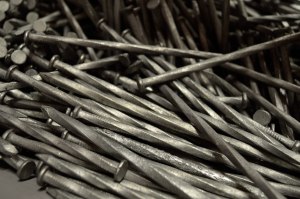
Roofing Nails Galvanized

By Raysonho @ Open Grid Scheduler / Grid EngineOwn work, CC0, Link

Why Are Roofing Nails Galvanized?

The main reason roofing nails are galvanized is to prevent rust and extend the lifespan of the roof.

A roof can last anywhere from 20 to 50 years depending on the material. If the fasteners rust prematurely, they can weaken the entire system. Galvanized nails ensure:

Without galvanization, steel nails would deteriorate quickly, leading to roof failure.

How Galvanized Roofing Nails Protect Your Roof?

Moisture and Corrosion Resistance

The zinc coating acts as a barrier between steel and water. Even if scratched, zinc provides “sacrificial protection,” meaning it corrodes before the steel does.

Stronger Wind Resistance

Rusted nails lose grip strength. Galvanized nails maintain holding power, reducing the risk of shingle blow-offs during storms.

Extended Roof Lifespan

When fasteners remain strong and intact, shingles stay secure, helping the entire roofing system last longer.

Types of Galvanized Roofing Nails

Not all galvanized roofing nails provide the same level of corrosion resistance, durability, or long-term performance. While the term “galvanized” simply means that a nail has been coated with zinc to protect against rust, the manufacturing process used to apply that zinc coating makes a significant difference in how well the fastener performs over time. Understanding the different types of galvanized roofing nails is essential for proper roof installation, code compliance, and long-term structural integrity. Choosing the correct type ensures that your roofing system remains secure, weather-resistant, and durable for decades.

In roofing applications, two primary types of galvanized nails are commonly used: electro-galvanized roofing nails and hot-dipped galvanized roofing nails. Although both offer corrosion resistance compared to untreated steel nails, they differ substantially in coating thickness, longevity, and performance under harsh environmental conditions.


Electro-Galvanized Roofing Nails

Electro-galvanized roofing nails are manufactured using an electroplating process. In this method, steel nails are placed into an electrolyte solution containing zinc particles. An electrical current is passed through the solution, causing a thin layer of zinc to bond to the surface of the steel nail. This process results in a smooth, shiny, and uniform finish.

One of the primary advantages of electro-galvanized nails is affordability. Because the zinc coating applied through electroplating is thinner, the production cost is lower compared to hot-dipped galvanization. For projects with tight budgets or temporary construction applications, electro-galvanized nails may be considered a cost-effective option.

However, the thinner zinc coating also means reduced corrosion resistance. While electro-galvanized roofing nails offer basic protection against moisture and oxidation, they are more vulnerable to long-term exposure in harsh weather conditions. Over time, the thin zinc layer can wear away, especially in areas with heavy rainfall, snow accumulation, or high humidity. Once the zinc coating is compromised, the underlying steel becomes susceptible to rust.

Electro-galvanized nails may perform adequately in dry, low-moisture environments where exposure to the elements is limited. In mild climates with minimal precipitation and low humidity levels, they can provide moderate durability. However, for roofing systems expected to last 20–30 years or more, relying solely on electro-galvanized fasteners may increase the risk of premature corrosion.

Another consideration is wind resistance. Roofing nails must maintain strong holding power to keep shingles secured during storms and high-wind events. If corrosion begins, even at a slow rate, nail strength can weaken. This can lead to nail pops, loose shingles, and reduced wind uplift resistance over time.

For these reasons, while electro-galvanized roofing nails are technically corrosion-resistant, they are generally considered suitable for lighter-duty applications rather than long-term, high-performance roofing systems.


Hot-Dipped Galvanized Roofing Nails

Hot-dipped galvanized roofing nails are widely regarded as the superior choice for both residential and commercial roofing projects. Unlike electroplating, the hot-dip galvanization process involves immersing steel nails into molten zinc at extremely high temperatures. During this process, the zinc forms a metallurgical bond with the steel, creating a much thicker and more durable protective coating.

The resulting finish is typically rougher and more matte in appearance compared to the smooth shine of electro-galvanized nails. This thicker zinc layer provides significantly greater corrosion resistance and long-term durability. Because the zinc coating is heavier, it takes much longer for moisture and oxygen to penetrate and reach the underlying steel.

One of the key benefits of hot-dipped galvanized roofing nails is their ability to withstand harsh environmental conditions. Whether exposed to heavy rainfall, snow, ice, high humidity, or fluctuating temperatures, these nails maintain structural integrity for decades. The thick zinc coating also provides sacrificial protection — meaning the zinc corrodes first before the steel core is affected. This dramatically slows down rust formation and extends the lifespan of the fastener.

Hot-dipped galvanized nails are commonly required by building codes and roofing manufacturers for asphalt shingle installation. Many shingle warranties specifically state that fasteners must be corrosion-resistant and often recommend hot-dipped galvanized nails to ensure compliance. Using the correct fastener type not only protects the roof but also preserves warranty coverage.

In high-wind regions, hot-dipped galvanized nails provide reliable holding power. Their durability helps maintain consistent grip strength, reducing the risk of shingle blow-offs during storms. Because roofing systems are only as strong as the fasteners securing them, investing in high-quality hot-dipped galvanized nails significantly improves overall roof performance.

These nails are also well-suited for humid and cold climates where moisture exposure is frequent. Freeze-thaw cycles can introduce water around fasteners, increasing corrosion risk. The thicker zinc layer on hot-dipped galvanized nails provides enhanced protection against these repeated environmental stresses.


Comparing Electro-Galvanized and Hot-Dipped Galvanized Nails

When deciding between electro-galvanized and hot-dipped galvanized roofing nails, several factors should be considered:

1. Coating Thickness
Hot-dipped galvanized nails have a significantly thicker zinc coating, offering superior corrosion resistance compared to electro-galvanized nails.

2. Durability
Hot-dipped nails are designed for long-term performance in demanding outdoor conditions, while electro-galvanized nails are better suited for light-duty or low-exposure environments.

3. Cost
Electro-galvanized nails are generally more affordable, but the cost savings may be offset by reduced lifespan and potential maintenance issues.

Check Prices for Galvanized Nails

4. Code Compliance
Hot-dipped galvanized nails are more commonly specified in building codes and manufacturer guidelines for roofing installations.

5. Environmental Performance
In areas with high humidity, heavy precipitation, or temperature extremes, hot-dipped galvanized nails offer significantly better long-term reliability.


Why Choosing the Right Type Matters

Selecting the appropriate type of galvanized roofing nail is not just a technical decision — it directly impacts roof longevity, safety, and performance. Using a thinner-coated nail in a harsh climate can lead to premature corrosion, structural weakening, and costly repairs. On the other hand, choosing hot-dipped galvanized nails ensures enhanced durability, stronger wind resistance, and long-term protection.

Roofing is a long-term investment. While fasteners may seem like a small detail, they play a critical role in holding shingles, underlayment, and flashing securely in place. The right galvanized roofing nail helps prevent leaks, nail pops, and structural failures caused by rust and deterioration.

Click on this Home Depot Link To View Stinger Galvanized Nails 


Final Thoughts on Galvanized Roofing Nail Types

Both electro-galvanized and hot-dipped galvanized roofing nails offer corrosion resistance compared to untreated steel nails. However, the level of protection varies significantly depending on the galvanization process. For most residential and commercial roofing systems — especially those expected to last decades — hot-dipped galvanized roofing nails remain the preferred and recommended option due to their thicker zinc coating, superior durability, and compliance with industry standards.

Understanding these differences ensures proper installation, protects your roofing investment, and contributes to a stronger, longer-lasting roofing system built to withstand the elements year after year.

What Happens If Non-Galvanized Nails Are Used?

Using regular steel nails in roofing can cause:

In many cases, improper fasteners lead to costly repairs long before the shingles themselves wear out.


Building Code Requirements and Industry Standards for Roofing Nails

When installing a new roof or performing a roof replacement, compliance with local building codes is not optional — it is mandatory. Across the United States, residential and commercial roofing systems must follow regulations that ensure safety, durability, and weather resistance. One of the most important requirements outlined in building standards is the use of corrosion-resistant fasteners. Roofing nails must be able to withstand long-term exposure to moisture, temperature changes, and environmental contaminants without rusting or deteriorating. This is why galvanized roofing nails are widely recognized and accepted under modern construction codes.

Most state and municipal building codes reference standards established by organizations such as the International Residential Code (IRC) and International Building Code (IBC). These codes specify that roofing fasteners must be corrosion-resistant, typically requiring galvanized steel, stainless steel, copper, or aluminum depending on the roofing material being installed. The reasoning is straightforward: standard untreated steel nails are vulnerable to oxidation, and once rust begins, structural integrity weakens. Over time, corroded nails can snap, loosen, or cause shingles to detach, creating serious safety and water intrusion risks.

In addition to government regulations, roofing material manufacturers also establish strict fastening guidelines. Asphalt shingle manufacturers, for example, often require hot-dipped galvanized roofing nails with a specific minimum zinc coating thickness. They also specify nail length, head diameter, and placement patterns to ensure proper wind resistance and long-term performance. Failure to follow these manufacturer instructions can void warranties, leaving homeowners responsible for repair or replacement costs that would otherwise be covered.

Wind zones further influence fastener requirements. In high-wind regions or hurricane-prone areas, building codes may mandate enhanced fastening schedules, including additional nails per shingle and stronger corrosion-resistant coatings. Proper fastening directly impacts a roof’s wind uplift rating. If inadequate or non-galvanized nails are used, the roof may not pass inspection, and insurance claims could be denied if damage occurs due to improper installation practices.

Another critical factor is inspection and resale value. During property inspections — whether for a real estate transaction or municipal compliance — roofing systems are evaluated for proper installation methods. Using non-compliant fasteners can result in failed inspections, delays in closing property sales, or costly rework. Galvanized nails are considered the industry baseline for meeting professional standards and passing regulatory checks.

Ultimately, corrosion-resistant roofing nails are not simply a best practice — they are an essential requirement embedded within modern construction regulations. They ensure that roofing systems perform safely and reliably for decades. Contractors who prioritize code-compliant materials demonstrate professionalism, accountability, and commitment to long-term durability. Choosing galvanized roofing nails protects not only the roof structure itself but also the homeowner’s investment, insurance coverage, and peace of mind.


Performance of Galvanized Roofing Nails in Different Climates and Environmental Conditions

Roofing systems must perform under a wide range of environmental conditions, from freezing northern winters to humid southern summers. The effectiveness of galvanized roofing nails largely depends on the climate in which they are installed. While galvanized fasteners offer excellent corrosion resistance for most applications, understanding environmental exposure levels helps determine whether standard galvanization is sufficient or if upgraded materials are necessary.

In moderate climates with seasonal rainfall and temperature variation, hot-dipped galvanized roofing nails provide more than adequate protection. The thick zinc coating forms a durable shield against moisture and oxidation, significantly slowing the corrosion process. In these environments, galvanized nails can last decades without structural compromise, aligning well with the lifespan of asphalt shingles and many other roofing materials.

Cold-weather regions present additional challenges, including snow accumulation, ice dams, and freeze-thaw cycles. When snow melts and refreezes, moisture can seep into small crevices around fasteners. Galvanized coatings protect against rust formation during these cycles, maintaining nail integrity even when exposed to repeated moisture contact. Without this protective layer, untreated steel nails would rapidly oxidize under prolonged winter conditions.

Hot and humid climates also accelerate corrosion due to increased moisture in the air. High humidity levels create a constant exposure environment that can deteriorate metal components over time. Galvanized roofing nails are specifically designed to withstand this type of exposure by sacrificing the zinc layer first, preventing rust from attacking the steel core. This sacrificial protection significantly extends fastener life in humid regions.

Coastal areas, however, introduce one of the most aggressive corrosion factors: salt. Salt-laden air dramatically speeds up the oxidation process, making it one of the harshest conditions for metal roofing components. In these environments, even hot-dipped galvanized nails may eventually corrode faster than expected. For properties located directly along coastlines or in high-salt exposure zones, stainless steel roofing nails are often recommended due to their superior resistance to salt-induced corrosion. Stainless steel contains chromium, which forms a passive protective layer that resists rust without relying on a sacrificial coating.

Industrial areas can also contribute to accelerated corrosion. Air pollutants and chemical exposure may react with moisture to create acidic conditions that weaken metal fasteners. In such scenarios, upgrading to higher-grade corrosion-resistant materials ensures longer-lasting performance.

It is important to understand that “galvanized” does not mean all products offer the same level of protection. The thickness of the zinc coating plays a major role in longevity. Hot-dipped galvanized nails typically provide a heavier coating compared to electro-galvanized options, making them more suitable for demanding environments. Selecting the correct fastener type should always consider climate, building location, and roofing material compatibility.

For the vast majority of residential and commercial roofing projects across standard inland environments, hot-dipped galvanized roofing nails provide the ideal balance between cost-effectiveness, strength, and corrosion resistance. They meet building code requirements, maintain manufacturer warranty compliance, and deliver dependable long-term performance.

In summary, while galvanized roofing nails are sufficient for most climates, understanding environmental exposure ensures the right material is chosen for maximum durability. Proper fastener selection protects the roof from premature failure, maintains structural integrity, and ensures reliable performance year after year — regardless of weather conditions.


Final Thoughts

Roofing nails may seem small, but they are critical to the performance and lifespan of your roof. Galvanization protects against rust, preserves structural strength, and ensures shingles remain securely attached for decades.

When installing or replacing a roof, always confirm that corrosion-resistant, properly rated galvanized nails are being used. It’s a small detail that makes a major difference in long-term protection and value.

Conclusion – Quality Fasteners Mean a Stronger Roof

A roof is only as reliable as the materials and workmanship behind it, and that includes the fasteners securing every single shingle in place. While galvanized roofing nails may seem like a minor detail compared to shingles or flashing, they are one of the most critical components in ensuring long-term roof performance. Without proper corrosion resistance, even the highest-quality roofing materials can fail prematurely due to rusted or weakened fasteners.

Galvanized nails provide a protective zinc barrier that defends against moisture infiltration, oxidation, and structural breakdown, helping your roof withstand years of harsh weather conditions. From heavy rain and snow to extreme heat and high winds, a properly fastened roofing system maintains its integrity because the nails continue to hold strong beneath the surface. Investing in corrosion-resistant, code-compliant fasteners not only preserves the structural stability of your roof but also reduces the risk of leaks, shingle displacement, costly repairs, and warranty issues. In the long run, using high-quality galvanized roofing nails is not just about meeting building standards — it’s about protecting your property, maximizing roof lifespan, and ensuring dependable performance season after season.


Need Professional Roofing Services?

If you’re planning a roof repair, roof replacement, or new roof installation, make sure every component — including the fasteners — meets industry standards.

Uzma Contracting specializes in residential and commercial roofing services, including roof repairs, shingle replacement, flat roofing systems, and full roof installations. We use high-quality, code-compliant materials to ensure long-lasting protection for your home or business.

📍 Serving Yonkers & surrounding areas
📞 Call us today for a free roof inspection and estimate
🌐 Contact Uzma Contracting to schedule your roofing consultation

Protect your property with expert craftsmanship and durable roofing solutions built to last.

Leave a Reply

Your email address will not be published. Required fields are marked *